Money6 min read
How much does SEO cost in 2026, and what the monthly fee actually buys
Most proposals show one number and no arithmetic behind it. We rebuilt that number out of the work it pays for, so you can tell an honest quote from a padded one before you sign.
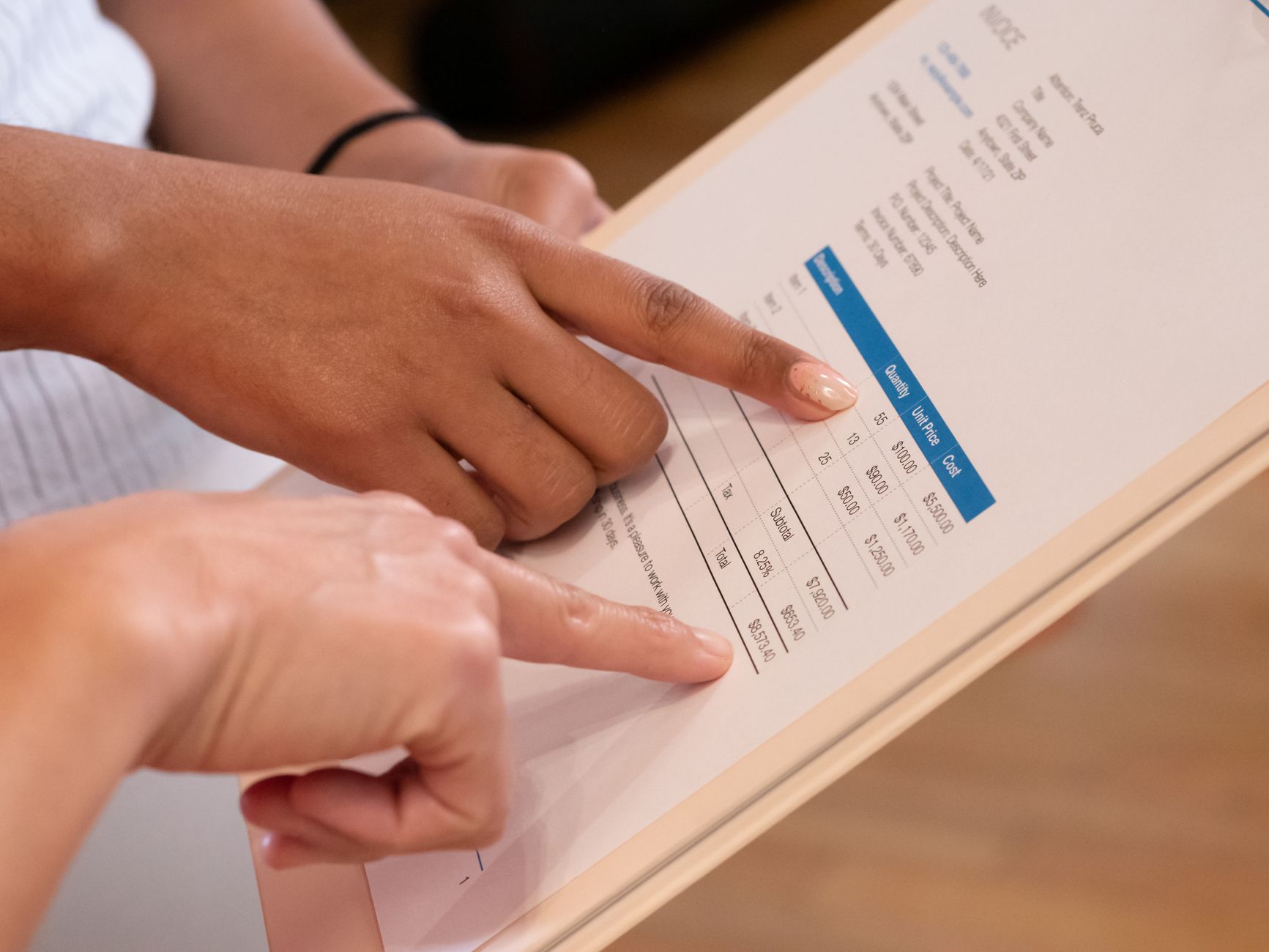
A monthly retainer for search work sits between $1,500 and $5,000 for most companies, and the 2026 average across agencies is $3,209market a month. Freelancers average $1,348market and independent consultants $3,250market. Those three numbers are close enough that the label on the vendor tells you almost nothing about the price.
What the numbers do not tell you is the arithmetic. A proposal usually arrives as one figure and a list of service names, and the buyer has no way to check whether the figure fits the list. So we rebuilt the figure from the other direction.
Rebuild the fee from the work
Take a $3,000estimate retainer and ask what a month of it contains. Public scope descriptions at that level converge on the same shape: two to four pieces of content, three to eight links, one round of technical fixes, one reportmarket.
| Line | What a month of it is | Share of the fee |
|---|---|---|
| Content production | 3 articles, brief to publish | $1,500estimate |
| Link outreach | 5 placements, research and pitching | $750estimate |
| Technical work | audit follow-ups, crawl issues | $400estimate |
| Reporting and calls | one report, one call | $350estimate |
| Total | $3,000estimate |
The point of the table is not precision. It is that content is the bulk of every honest quote, and once you see that, a lot of proposals stop making sense. A fee of the same size promising one article a month leaves $2,600estimate doing something you were never shown.
Why identical scopes carry different prices
Two agencies can quote $1,500 and $9,000market for what reads like the same list. The gap is real, and it comes from three things the list does not mention.
The first is who you are competing against. If the companies holding page one spend $10,000 a month, a $1,500 budget does not buy a slow climb; it buys nothing measurableestimate. Budget is relative to the auction you entered, not to your own comfort.
The second is the starting state of the site. A site that has never been optimised spends its first three to six monthsmarket on audits and repairs that produce no ranking movement at all. That work is real and it is billed, but it is not growth, and a proposal that blends the two lets an agency charge for repair and report it as progress.
The third is depth per piece. A 900-word summary and a 2,000-word piece with original data cost different money to produceestimate, and both can be called "one article." Regulated niches make this sharper: medical and legal content needs expert review, and that review is a line item.
The three lines that leak money
Paying for reports— a dashboard is not deliverable work. If reporting is a visible share of your fee, you are funding the agency's admin.Paying for audits twice— the initial audit is a one-time cost. Seeing it re-billed in month seven means the first one was never finished.Paying for links you cannot see— placements without URLs in the report are the oldest padding in this business.
None of these are exotic. They survive because the invoice never breaks down, and the buyer has nothing to point at.
What changed in 2026
AI answers moved the goalposts. Google's AI Overviews, ChatGPT and Perplexity answer a growing share of questions without sending a click, and agencies have started charging separately for visibility inside those answers, often from $900 a month on top of the retainermarket.
That line is new enough that nobody has a defensible rate card for it. Our position is narrow: we treat it as part of writing, not as a separate product, because the work that gets an article cited by an assistant is the same work that makes it worth reading. A separate invoice line for it is a pricing decision, not a technical one.

Questions that make a quote checkable
- How many pieces per month, and how long is each one?
- What is the per-piece rate if we buy content alone?
- Which of these lines is one-time and which repeats every month?
- What does the report show that I can verify myself: URLs, dates, published pages?
- What happens in month seven if nothing has moved?
A vendor who answers all five in writing has given you a document you can compare against another vendor. A vendor who answers none has given you a number.
The honest summary of 2026 pricing is that the market average is a weak signal. The useful signal is the line-by-line breakdown, and it exists in every agency's internal model whether or not it reaches your inbox. Asking for it costs nothing and changes the conversation.
Sources
- HigherVisibility, "SEO Pricing – What Does SEO Cost in 2026?", updated June 2026 — provider averages, business-size bands, onboarding timelines. Read 23.09.2026.
- Ahrefs 2026 provider survey, as cited in the above — monthly retainer averages by vendor type and the share of providers on retainers.
- Clutch 2026 small business SEO statistics, as cited in the above — average monthly and project engagement values.
- Public 2026 agency pricing surveys — separate charging for AI-answer visibility. Read 23.09.2026.