AI10 min read
Can you pay to be recommended by ChatGPT? Ads, sponsored lists and what they buy
You cannot buy a recommendation inside a ChatGPT answer. You can buy an ad beside it, or a place on a list the assistant may read, and neither comes with a guarantee.
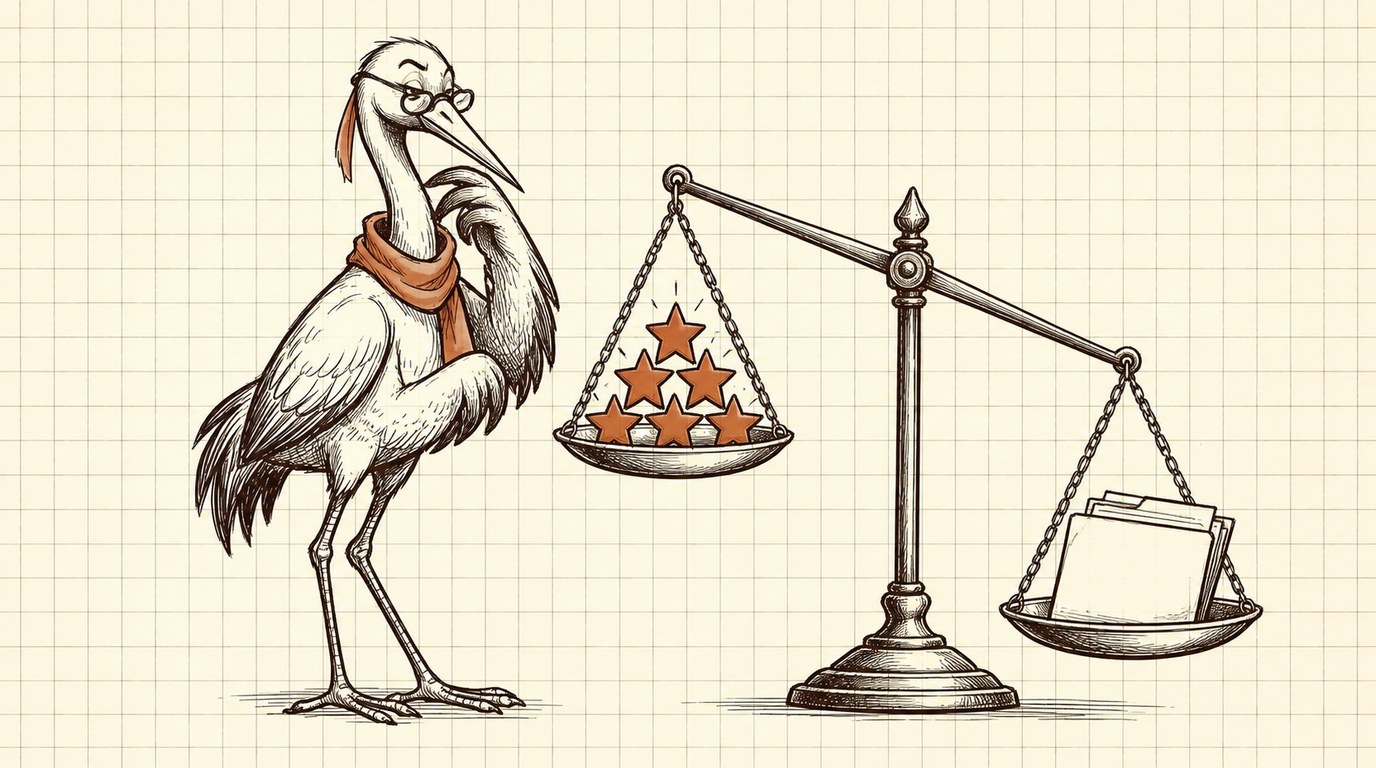
No, you cannot pay to be recommended inside a ChatGPT answer. OpenAI sells ad units that sit below the answer and says they do not change what ChatGPT writes market. What you can buy is an ad, or a spot on a third-party list that the assistant may read. Both cost money, and neither carries a promise of a mention.
Does a paid slot inside a ChatGPT answer exist?
No paid slot exists inside the answer text. Ads appear below the response in a unit labelled as sponsored and visually separated from the organic answer market. They show only for Free and Go users; Plus, Pro, Business, Enterprise and Education accounts see none market.
OpenAI states that ads do not influence the answers ChatGPT gives market. The Decoder, reporting the self-serve launch, notes that the company has not published evidence for that claim. For a buyer, the practical reading is simple: the sponsored unit is bought space, and the recommendation in the answer stays earned. The unpaid route is covered in how to rank in ChatGPT through the opening paragraph.
That split matters when someone offers to "get you into ChatGPT" for a fee. The only thing the assistant sells directly is the labelled unit. Anything else is a bet on what the model reads, and our piece on what makes ChatGPT cite one company over another covers the signals that bet depends on.
What do ChatGPT ads cost a small business in 2026?
The entry price fell from a six-figure commitment to nothing up front. Ads launched in February 2026 with a minimum commitment of $200,000 market. In early May 2026 OpenAI opened a self-serve Ads Manager in the US and dropped up-front spending requirements for businesses of any size market.
The self-serve platform adds a conversion pixel and a conversions API, so an advertiser can tie purchases, leads or sign-ups to a click market. OpenAI passes advertisers aggregated data and keeps the text of individual chats to itself.
Cost per click and cost per thousand impressions are quoted in only one agency source we found, so we leave them out. No study we found compares ChatGPT ads with earned citations, so a claim that one beats the other is a guess.
Do sponsored best-of lists get cited by AI?
Best-of lists get cited heavily, and a paid place on one is the usual pitch. Lists were the most common cited page type in Ahrefs' study of 750 prompts and 26,283 source URLs, at 43.8% of page types market. A separate Wix study put listicles at 21.9% of all AI engine citations market.
Citation does not prove that payment helps. We found no neutral, controlled test of paid placements on third-party lists. The vendors who sell such placements supply most of the claims in search results, and a single consultant's three-site test is not a sample.
The closest hard data covers lists that brands write about themselves. Peec AI tracked 232,000 citations across 13,000 listicles over 12 weeks and found that self-promotional lists made up about 3.6% of ChatGPT citations, against about 10% on Google AI Mode and Perplexity market. Ahrefs found that a brand's own self-ranked list still showed up as a source in more than one third of software answers market. A list can get cited. Whether the citation turns into a recommendation of you is a separate question, and the timing question sits in our note on how long a new post takes to get cited.
Is a paid placement legal without a label?
A paid placement that looks like editorial content needs a clear label. The FTC says advertising that resembles editorial material must not imply it is anything other than an ad, and lists "Ad", "Advertisement", "Paid Advertisement" and "Sponsored Advertising Content" as understood terms market. Responsibility sits with both the advertiser and the publisher market.
Search engines add their own rule. Google treats buying or selling links for ranking as link spam unless the link carries rel="nofollow" or rel="sponsored" market. A properly labelled sponsored list therefore passes legal and search rules, but it also tells every reader and crawler that the ranking was paid for.
An unlabelled paid ranking can fall foul of the FTC guide, and a reader who finds out has little reason to trust the list or the brand at the top of it. When you weigh a package, ask the seller one question first: will the placement be labelled? If the answer is no, walk away.
Which option fits a small business?
Choose by the evidence each route has behind it. The table sets the four common routes side by side.
| Route | What you pay for | Evidence it affects AI answers | Main risk |
|---|---|---|---|
| ChatGPT ad | A labelled unit below the answer market | OpenAI says ads do not change answers market | Reaches Free and Go users only |
| Your own best-of list | Writing time estimate | Cited in about 3.6% of ChatGPT citations in one study market | Reads as self-interest to buyers |
| Paid spot on a third-party list | A fee to the list owner estimate | No neutral controlled test found estimate | Needs a label; seller claims untested |
| Earned mention (reviews, press, data) | Work and time estimate | Third-party lists were 43.8% of cited page types market | Slow, with no guaranteed result |
Many businesses mix the routes, but the order of spending matters. The ad is the only route that buys a measurable impression with a clear label. The rest depend on a model's reading of the web, which you do not control. An agency that promises placement should be tested the way we describe in whether a pay-for-results contract is realistic.
How do you tell whether a paid placement worked?
Measure before you pay, then measure the same things after. A paid list spot has worked if the assistant now names you for a question it did not answer with your name before.
- Write down 20 questions your buyers would ask an assistant estimate.
- Run them in ChatGPT and record whether your company appears, in what position, and which sources the answer shows.
- Buy the placement or the ad.
- Run the same questions weekly for a month estimate.
- Compare mentions and cited sources against the first run. Count only changes that show up on repeat runs, because one answer can vary between runs.
For ads, the conversions API gives you click-level attribution, which no list placement offers. If a seller cannot say how you will see the effect, the claim is untested. Check how a vendor's text itself was produced as well: our guide to spotting AI-written content from an agency helps there.
Frequently asked questions
Can I pay OpenAI to make ChatGPT recommend my business?
No. OpenAI sells labelled ad units shown below the answer and says ads do not influence what ChatGPT writes market. A mention inside the answer itself is not for sale in any published product.
Do ChatGPT ads appear for everyone?
No. Ads appear only for Free and Go users, and paid tiers such as Plus, Pro, Business, Enterprise and Education see none market. Your ad therefore reaches a segment of users, not all of them.
Is there a minimum spend for ChatGPT ads now?
Not up front. The February 2026 launch required $200,000 market, and the May 2026 self-serve release removed up-front requirements in the US market. Check the live terms inside Ads Manager before you plan a budget.
Do self-ranked best-of lists work in AI search?
They get cited, at about 3.6% of ChatGPT citations in one software-niche study market, and they showed up as sources in more than one third of software answers in another market. Being cited is not the same as being recommended, and the data does not say how readers react.
Must a sponsored list carry a label?
Yes, when it resembles editorial content. The FTC names "Ad" and "Sponsored Advertising Content" as clear terms market, and Google expects paid links to carry rel="sponsored" or rel="nofollow" market. Both advertiser and publisher share responsibility.
Sources
- Storyboard18, OpenAI rolls out ads on ChatGPT Free and Go tiers, 2026: tiers with ads, labelling, separation from the answer. https://storyboard18.com/digital/openai-rolls-out-ads-on-chatgpt-free-and-go-tiers-89224.htm
- Top Growth Marketing, How Much Do ChatGPT Ads Cost in 2026, 2026: tiers with ads, February 2026 minimum. https://topgrowthmarketing.com/how-much-do-chatgpt-ads-cost/
- TweakTown, ChatGPT now has ads and OpenAI says they do not influence answers, 2026: OpenAI's independence statement. https://www.tweaktown.com/news/110100/chatgpt-now-has-ads-and-openai-says-they-do-not-influence-answers/index.html
- The Decoder, ChatGPT ads are now open to small businesses, May 2026: self-serve launch, conversions tracking, absence of evidence for independence. https://the-decoder.com/chatgpt-ads-are-now-open-to-small-businesses-as-openai-builds-a-full-self-serve-ad-platform/
- Shopifreaks, OpenAI courts small and local advertisers with no-minimum ChatGPT ads, May 2026: $200,000 launch minimum, up-front requirements dropped. https://www.shopifreaks.com/openai-courts-small-and-local-advertisers-with-no-minimum-chatgpt-ads-putting-it-in-direct-competition-with-meta/
- Peec AI, Self-promotional listicles analysis from 232k citations, Feb 2026: 3.6% ChatGPT rate, sample and period. https://peec.ai/blog/self-promotional-listicles-analysis-from-232k-citations and https://docs.peec.ai/research/self-promotional-listicles
- Ahrefs, Do self-promotional best lists boost ChatGPT visibility, 2026: 750 prompts, 26,283 URLs, 43.8% of page types, self-ranked lists as sources. https://ahrefs.com/blog/best-lists-research/
- Pulse, AI citations favor listicles, articles and product pages, March 2026: Wix study, 21.9% of citations. https://www.pulse.bot/marketing/news/ai-citations-favor-listicles-articles-product-pages-study-40774267-3c3d-4e5c-a56f-1a6e841488d7
- FTC, Native advertising: a guide for businesses, 2015, and Quarles & Brady, The FTC issues guidance on native advertising: labelling terms and shared responsibility. https://www.ftc.gov/business-guidance/resources/native-advertising-guide-businesses and https://www.quarles.com/publications/the-ftc-issues-guidance-on-native-advertising/
- Google Search Central, spam policies, and Search Engine Journal, link spam update: paid links and rel attributes. https://developers.google.com/search/docs/essentials/spam-policies and https://www.searchenginejournal.com/google-link-spam-update/