AI10 min read
How long until a new post gets cited by ChatGPT or Perplexity
Nobody publishes a measured timeline for ChatGPT or Perplexity. The solid part is how fast search engines find a page; the weeks-to-citation figures come from vendors without data.
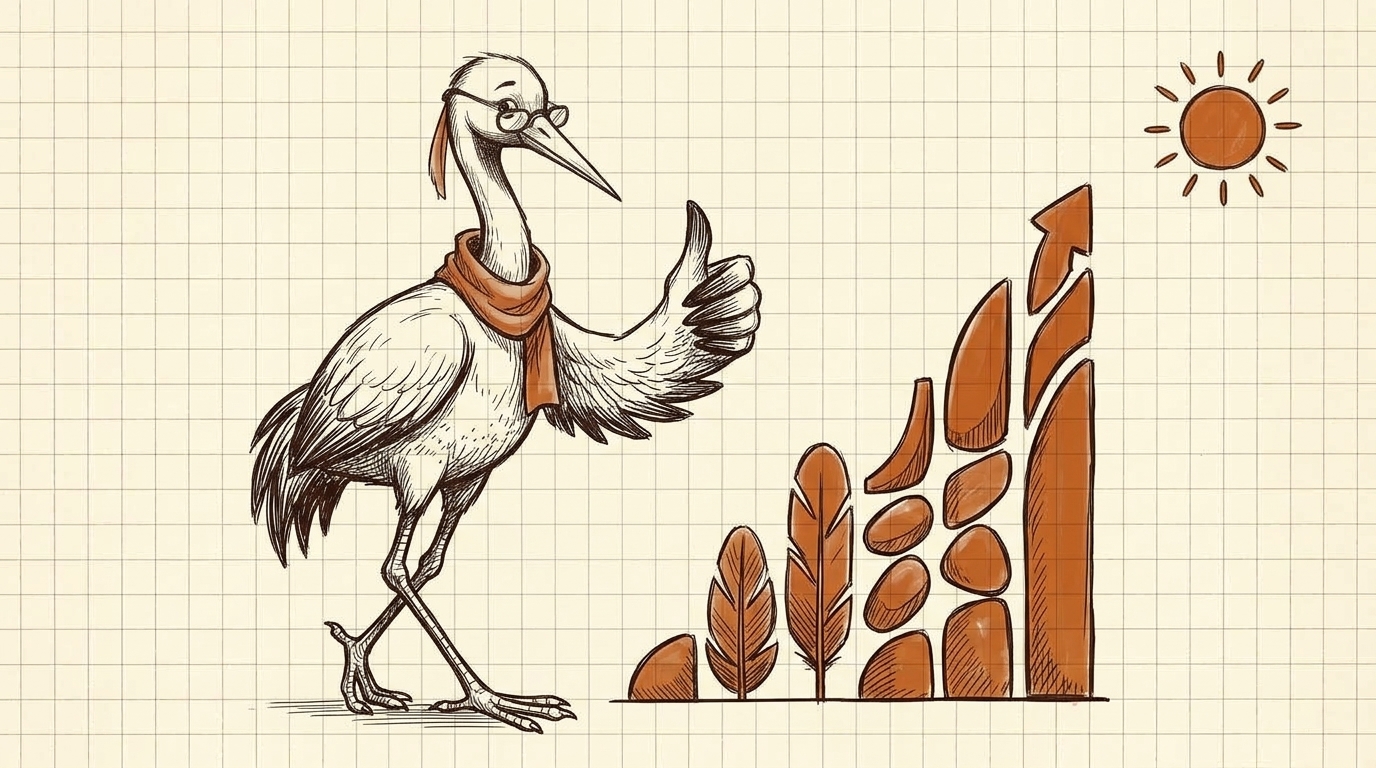
How long does it take for a new post to get cited by ChatGPT or Perplexity?
No source we found measures it, so any single number is a vendor's estimate. The part with evidence is the first step: Google reports that a new URL is typically discovered in about 20 hours market. The weeks-long figures for ChatGPT and Perplexity come from agencies that sell optimization and do not show their data.
Neither OpenAI nor Perplexity publishes a citation timeline. The honest answer therefore has three layers: a measured discovery time for search engines, a pile of unmeasured vendor ranges for AI engines, and studies showing which kind of page gets cited once it is found. This article keeps those layers apart so you can plan around the first and treat the second as a guess. Readers who wonder whether they can pay to be recommended instead of waiting will find the answer separate from the timeline.
Pages that have already earned mentions behave differently from brand-new ones. If you want the factors that move a page up the list, our breakdown of what makes ChatGPT cite one company over another covers them in detail.
How fast do search engines find a new page?
Google typically finds a new URL in about 20 hours and refreshes a known URL in about 30 days market. The slowest cases run from weeks to never. That slowest tail matters because a page that is never indexed cannot be cited by anything that reads the index.
Google ties the "never" outcome to quality, and neither outlet reports a sample size or method for the table market. Treat the numbers as Google's own summary of internal data.
Indexing also stacks delays. A page has to be crawled before it can be indexed, and it has to be indexed before an assistant can retrieve it, so the typical discovery time is a floor and not a promise for every page.
Does ChatGPT find pages through Bing?
Yes. ChatGPT search uses Bing as its search engine, which Microsoft announced at its Build conference on 23 May 2023 market. Yoast reaches the same practical conclusion: Bing indexing is the step site owners should check first market.
OpenAI also runs its own crawler, OAI-SearchBot, and a site that blocks it is not shown in ChatGPT search answers market. OpenAI says a robots.txt change takes about 24 hours for its systems to adjust market. Yoast advises allowing the crawler in robots.txt for the same reason.
Before you wait on any timeline, check two things: your page appears in Bing, and your robots.txt does not block OAI-SearchBot. A page that fails either test has no timeline at all. The same logic is behind our walkthrough on how to check your brand in AI answers with a fixed question list.
How fast does Perplexity pick up a new page?
Perplexity runs its own index and processes tens of thousands of index update operations per second market. That is a capacity statement, and it does not say how long your page waits in the queue.
Perplexity's engineers describe the trade-off directly: refreshing known pages competes for the same budget as indexing new ones. The company says it uses a model to decide which URLs to index and when, and favors authoritative domains and under-covered topics market. A new page on a small site is therefore not guaranteed a quick slot.
Vendors repeat that Perplexity moves faster than ChatGPT because it searches in real time market. AInora puts first movement at 2 to 4 weeks after fixes ship market.
What do the vendor timelines actually say?
They agree on the order and disagree on the numbers. Nobody supplies data, so we label every range an estimate.
| Engine | Claimed time to first citation | Who says so | How reliable |
|---|---|---|---|
| Google discovery of a new URL | About 20 hours market | Google, via conference talk | Google's own internal data, no method published |
| Perplexity | 2 to 4 weeks market | One vendor | Based on the author's experience |
| ChatGPT with search | 4 to 8 weeks market | Two vendors | No data behind either |
| ChatGPT without search | 8 to 20 weeks, the next model cycle market | One vendor | Framed as industry expectation |
Two independent vendors landing on the same 4 to 8 weeks for ChatGPT is mildly reassuring, though both give practical experience as the basis estimate. A range repeated by sellers is still a sales range. For planning, the only fully supported number is the discovery time.
For a sense of how a ranking-based channel compares, our piece on SEO content versus AI-cited content lays out where the two timelines differ.
Do assistants prefer fresh or updated pages?
Yes, and updates count more than first publication. Seer Interactive studied 7,683 cited pages from March to June 2026 and found that 75% had been updated within the last year, while only 42% were first published in that window market.
Ahrefs analysed a large set of cited URLs in 2025. ChatGPT-cited URLs averaged 958 days since publication against 1,416 days for Google organic results, in a sample of 16.975 million URLs market. Google AI Overviews showed no such preference for newer pages in the same study.
Both studies measure preference once a page is already in the pool. Neither says how many days a brand-new page waits before its first citation, so they cannot turn into a delivery date.

Why does a citation not stay once you get it?
Citations rotate. BrightEdge measured baseline weekly volatility of 72.8% on Perplexity market, and Profound's analysis of 3.25 billion citations found that 40 to 60% of cited domains change every month market.
BrightEdge adds that domains cited often are far steadier: its figures show 0.7% weekly volatility for frequent domains against 50% or more for sporadic ones market. A first citation is a start, and the weeks after it decide whether the page stays.
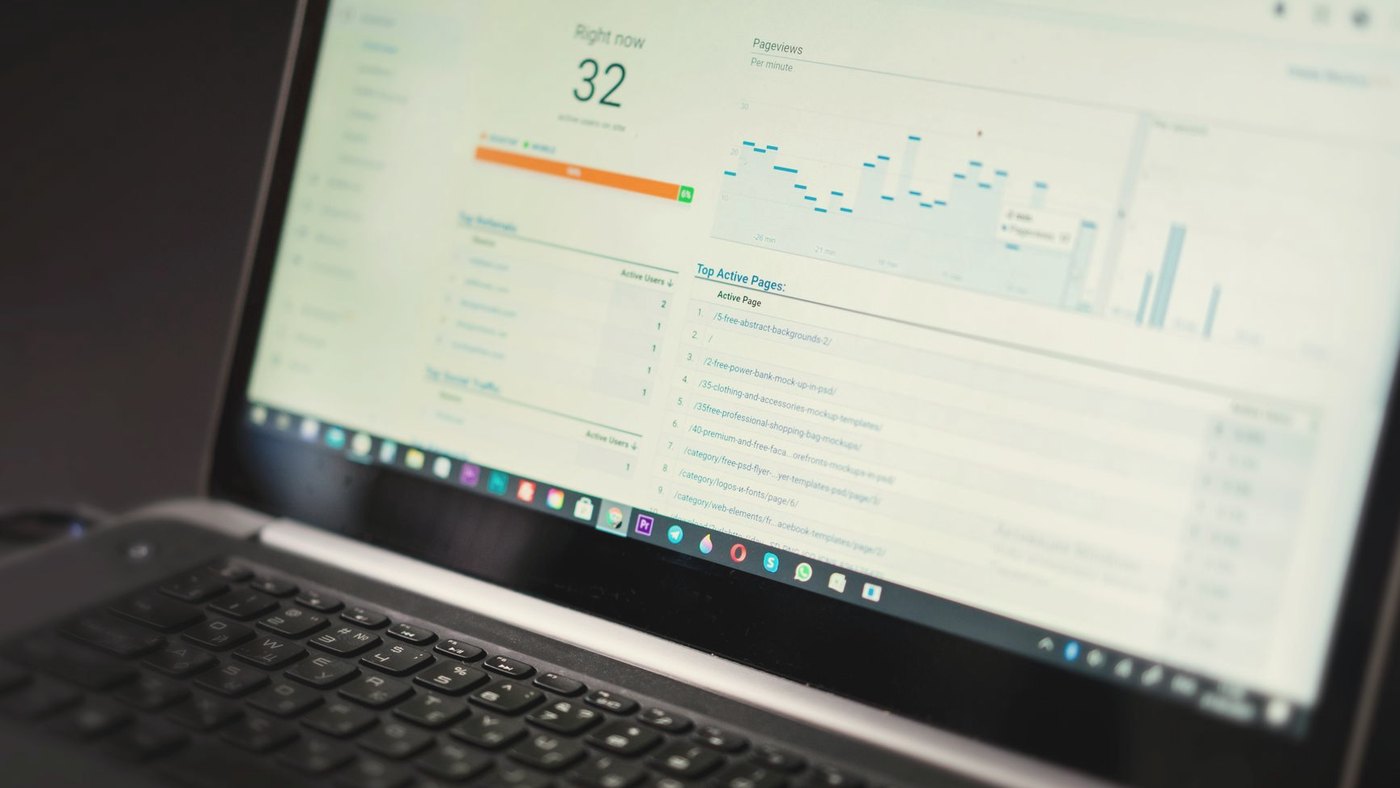
What can you do while you wait?
Do the steps you control, in order. Each one removes a reason for delay, and none of them fixes a date.
- Confirm the page is indexed in Google and in Bing.
- Allow OAI-SearchBot in robots.txt.
- Put a direct answer in the first paragraph and a checkable fact under each heading.
- Update the page on a schedule, since updates predict citations better than first publication.
- Ask the same list of buyer questions once a month and record which pages appear.
A pay-for-results SEO contract cannot promise a citation date, because no engine commits to one. Any provider quoting you an exact number of days is guessing.
Pages written with AI help face their own questions, and our data review of AI-written content shows how such pages rank on Google.
Frequently asked questions
How long does it take for ChatGPT to cite a new blog post?
No measured figure exists. Two vendors quote 4 to 8 weeks for ChatGPT with search turned on, and neither publishes data market. The solid prerequisite is Bing indexing, because ChatGPT search runs on Bing market.
How fast does Perplexity cite a new page?
One vendor puts the first movement at 2 to 4 weeks, and both vendors say Perplexity is faster than ChatGPT market. Perplexity itself publishes capacity, tens of thousands of index updates per second, and no citation delay market.
Does ChatGPT use Google or Bing to find pages?
Bing. Microsoft announced Bing as ChatGPT's search engine in May 2023, and OpenAI also runs its own OAI-SearchBot crawler market. A page missing from Bing is hard for ChatGPT search to find.
Does updating an old post help more than publishing a new one?
The data points that way. In the Seer sample, 75% of cited pages were updated in the last year, while 42% were first published in that window market. Updating an indexed page also skips the wait for first discovery.
Why was my page cited once and then dropped?
Citations rotate. BrightEdge measured 72.8% baseline weekly volatility on Perplexity, and Profound found that 40 to 60% of cited domains change each month market. One missed answer is normal, so compare monthly results.
Sources
- Search Engine Journal, Google's crawling, indexing and recovery timing ranges from Gary Illyes (new URL about 20 hours, known URL about 30 days, "never" tied to quality), October 2026. https://www.searchenginejournal.com/google-crawling-indexing-recovery-timing-ranges/591829/
- PPC Land, Google says new pages take about 20 hours to be found, some never are (same Search Central Live data, 2 October 2026). https://ppc.land/google-says-new-pages-take-about-20-hours-to-be-found-some-never-are/
- The Decoder, Microsoft Bing is now the default search engine for ChatGPT (Microsoft Build announcement), 23 May 2023. https://the-decoder.com/microsoft-bing-is-now-the-default-search-engine-for-chatgpt/
- Yoast, What is ChatGPT Search and how does it use Bing data (Bing indexing, OAI-SearchBot in robots.txt), 2025. https://yoast.com/chatgpt-search/
- OpenAI, Overview of OpenAI crawlers (OAI-SearchBot, robots.txt changes take about 24 hours), 2026. https://developers.openai.com/api/docs/bots
- Perplexity Research, Architecting and evaluating an AI-first search API (tens of thousands of indexing operations per second, model-scheduled indexing), September 2025. https://www.perplexity.ai/hub/blog/architecting-and-evaluating-an-ai-first-search-api
- InfoWorld, From answer engine to infrastructure: Perplexity launches Search API for developers, September 2025. https://infoworld.com/article/4064296/from-answer-engine-to-infrastructure-perplexity-launches-search-api-for-developers.html
- Seer Interactive, Study: content recency's impact on AI visibility in 2026 (7,683 pages, 75% updated within a year, 42% published within a year), 2026. https://www.seerinteractive.com/insights/study-content-recencys-impact-on-ai-visibility-in-2026
- Ahrefs, AI assistants prefer to cite fresher content (16.975 million URLs, ChatGPT 958 days against 1,416 for organic results), 28 July 2025. https://ahrefs.com/blog/do-ai-assistants-prefer-to-cite-fresh-content/
- AInora, How fast can I rank in ChatGPT and Perplexity (2 to 4 weeks, 4 to 8 weeks, 8 to 20 weeks), 2026. https://ainora.lt/blog/how-fast-can-i-rank-in-chatgpt-perplexity
- Affninja, How to get your brand cited by ChatGPT and Perplexity (4 to 8 week lag, Perplexity faster), 2026. https://affninja.com/brand-cited-by-chatgpt-perplexity/
- BrightEdge, AI search engine citation volatility: the 70x stability gap (Perplexity 72.8%, 0.7% against 50%), 23 October 2025. https://www.brightedge.com/resources/weekly-ai-search-insights/ai-search-engine-citation-volatility-70x-stability-gap
- Everything PR, The citation half-life (Profound, 3.25 billion citations, 40 to 60% of domains change monthly), 2026. https://everything-pr.com/the-citation-half-life-why-89-percent-of-ai-visibility-wins-are-gone-within-a-month